revenge manga captivates readers with its potent mix of emotional depth, moral ambiguity, and visceral storytelling. These stories delve into the depths of human nature, portraying characters driven by pain, betrayal, and the insatiable desire for justice. The appeal lies not only in their dramatic narratives but also in the complex psychological portraits they paint, revealing both the darkness and resilience of the human soul.
In this comprehensive exploration, we'll journey through the dark themes that make revenge manga a compelling genre, analyze its moral dilemmas, examine classic tropes, compare popular series, and understand the psychology behind revenge-driven characters. We will also explore the visceral art styles that intensify emotional catharsis, see how trauma influences character arcs, debate philosophical questions of justice, and look at how modern manga reinterpret these age-old themes. Finally, you'll find a reader's guide highlighting essential series that exemplify the richness of revenge manga.
The Allure of Revenge - Exploring the Dark Themes in Manga
Revenge manga often pulls readers into its shadows by confronting universal themes of pain, loss, and retribution. What makes these stories so compelling is their raw honesty about human suffering and the lengths to which individuals will go when pushed to their limits. Whether it’s a tale of an abused child seeking justice or a betrayed friend seeking redemption, the darkest moments are often the most emotionally resonant, drawing readers into a vortex of empathy and moral questioning.
Beyond the surface, revenge manga explore profound psychological and societal issues. They challenge the reader to confront uncomfortable questions: Is revenge ever justified? Can it truly bring closure, or does it perpetuate a cycle of violence? Such themes are woven tightly into the narrative fabric, making revenge manga not just entertainment but a mirror to the darker aspects of human existence. This genre’s dark allure lies in its capacity to make us grapple with the thin line between justice and cruelty, often leaving a lasting impression.
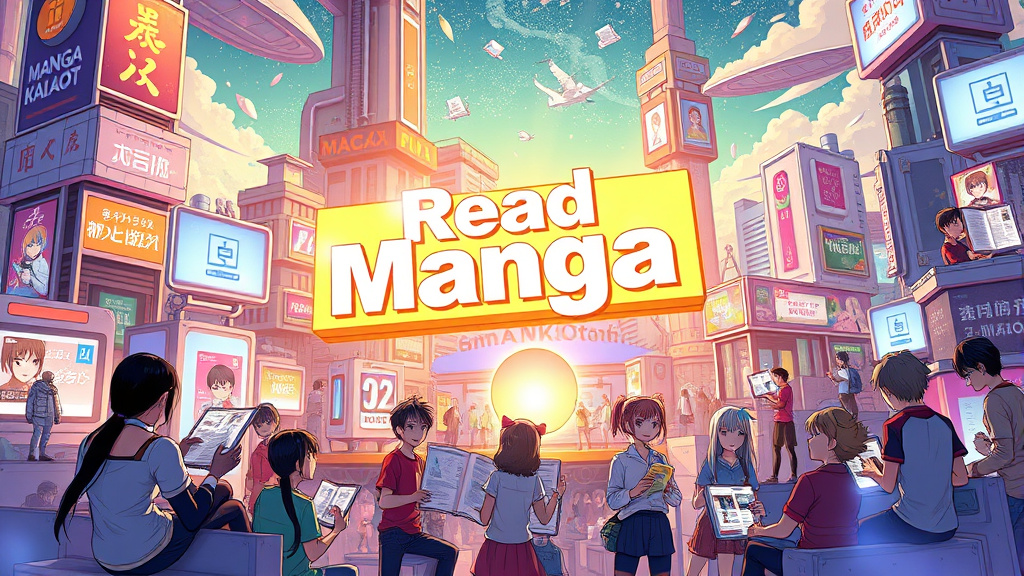 Hình minh họa: free manga reading sites – revenge manga
Beyond Good and Evil - Examining Morality in Revenge Manga
One of the most fascinating aspects of revenge manga is its complex portrayal of morality. Characters are frequently caught between the dichotomy of right and wrong, forcing readers to reconsider black-and-white notions of justice. Many protagonists operate in moral gray zones, executing revenge not out of malice but a sense of righteous obligation, complicating the moral landscape.
Such narratives challenge conventional ethical boundaries by illustrating that revenge is rarely a simple act of good versus evil. Instead, it raises questions about the nature of justice and whether the end justifies the means. These stories often depict characters evolving as they confront their own morality, revealing the internal conflicts that make revenge stories profoundly human. This exploration of morality adds a layer of philosophical depth, elevating revenge manga beyond mere action to reflect on the human condition.

From Betrayal to Vengeance - Common Tropes in Revenge Manga
Revenge manga are rich with recurring tropes that serve to heighten emotional stakes and deepen narrative tension. The quintessential betrayal trope, where trusting figures turn out to be foes, sets the stage for the protagonist’s descent into vengeance. These betrayals often serve as catalysts for character development, allowing protagonists to confront their vulnerabilities and reawaken their resolve.
Other common tropes include the protagonist’s transformation from innocence to hardened avenger, often depicted through symbolic visual cues like scars or darkened eyes. Revenge plots frequently feature themes of hidden identities, secret organizations, or convoluted conspiracies that deepen the mystery. These familiar patterns serve as both comfort and challenge for readers, providing predictability while also inviting inventive variations that keep the genre fresh and engaging.
Tit-for-Tat - A Comparative Analysis of Popular Revenge Manga Series
Examining a selection of popular revenge manga reveals diverse approaches to the central theme of retribution. Series like Tokyo Revengers portray revenge within a gang context, emphasizing brotherhood and redemption, while Vagabond explores personal honor through samurai code. Each series reflects its cultural background, illustrating how revenge manifests uniquely depending on societal values.
What unites these stories is their focus on relentless pursuit of justice, often at the cost of characters’ moral integrity or personal well-being. Comparing the narrative techniques, art styles, and character arcs across these series shows how revenge manga adapts to different settings and themes — from gritty urban landscapes to historical empires. Such analysis reveals the genre’s versatility and its ability to resonate universally by illustrating deeply personal yet culturally rooted stories of vengeance.
The Psychology of Revenge - Understanding the Characters' Motivations
At the heart of every revenge manga lies a deep well of psychological insight into human motivation. Characters are often depicted as deeply scarred individuals, their actions driven by trauma, grief, or a sense of injustice. Exploring their psychology reveals why revenge becomes a compelling form of agency — a way to reclaim control when life has seemingly betrayed them.
The complexity intensifies when characters grapple with their own morality and the consequences of their actions. Some seek revenge out of genuine justice, while others fall into cycles of guilt and doubt, illustrating the internal struggles that accompany the desire for retribution. Analyzing their motivations provides a richer understanding of how trauma influences behavior and underscores the genre’s exploration of the darker facets of human nature.
Visceral Violence and Emotional Catharsis - Analyzing the Art Style of Revenge Manga
Revenge manga often feature intense, visceral violence depicted through bold, dynamic artwork that amplifies emotional resonance. The art style serves as a bridge to visceral catharsis, capturing the chaos, agony, and resolve that define revenge stories. Artists use stark contrasts, exaggerated expressions, and dramatic panel layouts to evoke visceral responses, immersing readers in the characters’ raw emotions.
This stylistic choice heightens the impact of pivotal moments—whether it’s a climactic fight or a moment of silent despair—and allows readers to experience the characters’ psychological turmoil viscerally. Such visual storytelling elevates revenge manga from simple action to an art form that vividly portrays the emotional ascent and descent of characters, reinforcing the genre’s intense, cathartic appeal.
Revenge as a Catalyst - How Trauma Shapes Characters' Destinies in Manga
Trauma acts as a powerful catalyst driving characters’ journeys in revenge manga. Past losses, abuses, or betrayals serve as the emotional backbone motivating their actions, shaping their destinies with unrelenting determination. Artists and writers often delve into the characters’ backstories, revealing how trauma entrenches itself into their subconscious, fueling their quest for justice.
This intricate link between trauma and revenge makes the characters’ arcs deeply authentic and emotionally compelling. Rather than mere villains or antiheroes, they become complex individuals navigating pain and morality. Trauma’s influence demonstrates how revenge can sometimes be an inescapable consequence of past suffering, illustrating how personal history molds the pursuit of justice in profound ways.
The Line Between Justice and Revenge - Philosophical Debates in Manga
Revenge manga frequently challenge viewers to contemplate the thin line separating justice from revenge. The philosophical dilemma revolves around whether vengeance serves true justice or merely perpetuates a cycle of violence. These stories invite critical reflection on whether the act of revenge can ever be righteous, or if it is inherently corrupting.
Through moral ambiguity and nuanced plotlines, manga explore these debates by showing characters who struggle with their conscience, weighing their desire for justice against the potential harm they cause. Such stories elevate revenge from simple plot devices to profound philosophical inquiries, prompting readers to consider their own views on morality, retribution, and societal justice.
Modern Takes on an Ancient Theme - The Evolution of Revenge Manga
The genre of revenge manga has evolved significantly, reflecting changing societal values and artistic innovation. Modern series increasingly incorporate psychological complexity, moral ambiguity, and diverse cultural perspectives, moving away from straightforward tales of revenge to more introspective narratives. This evolution allows for a nuanced portrayal of characters torn between vengeance and redemption.
Innovations in art style, narrative structure, and thematic scope have broadened the appeal of revenge manga. Contemporary creators challenge traditional tropes by integrating elements of mystery, horror, or psychological thriller, transforming revenge stories into multifaceted explorations of trauma and morality. This evolution demonstrates the genre’s adaptability and enduring relevance in a dynamic manga landscape.
Reader's Guide - Essential Revenge Manga Series to Explore
For newcomers or seasoned manga enthusiasts, exploring key revenge manga series offers a window into the genre’s breadth and depth. Classics like Akumetsu showcase relentless heroism, while Death Note explores the moral ramifications of wielding power over life and death. More recent works such as Tokyo Revengers blend revenge with romance and friendship, illustrating genre evolution.
This reader's guide emphasizes stories renowned for their compelling characters, artistic excellence, and philosophical insights. Whether it’s the brutal classic Old Boy or the introspective Homunculus, each series brings unique perspectives on revenge's dark allure. Engaging with these titles provides a comprehensive understanding of how revenge manga continues to evolve and resonate globally.
Conclusion
Revenge manga stands as a compelling genre that explores the darkest corners of human nature, morality, and psychology. Its stories resonate because they reflect universal themes of pain, trauma, and justice, portrayed through visceral art and complex characters confronting their own morality. From classic tropes to innovative modern takes, the genre continually evolves while maintaining its core appeal—challenging readers to consider the profound questions surrounding revenge and its consequences. Whether as catharsis, moral inquiry, or emotional storytelling, revenge manga remains a powerful and enduring facet of manga art.